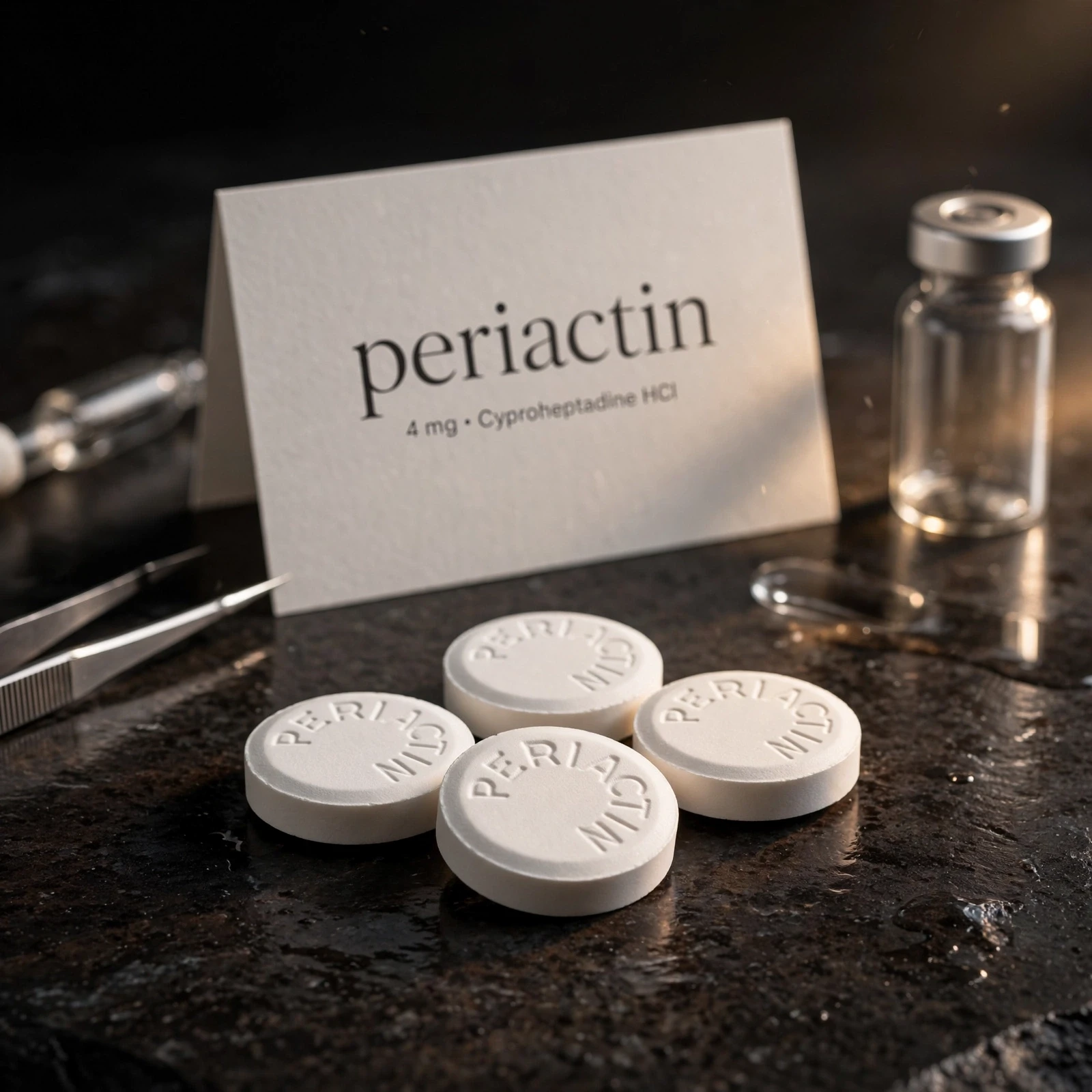
Periactin (cyproheptadine) is primarily used as an H1 antihistamine for symptomatic relief of allergic conditions such as allergic rhinitis, urticaria (hives), and pruritus (itching). Because it also antagonizes serotonin receptors, clinicians sometimes prescribe it off-label as an appetite stimulant in patients with cachexia, weight loss due to chronic illness, or in pediatric cases with poor weight gain. It may be used short-term for migraine prophylaxis and certain serotonin-mediated syndromes in select cases. Its sedative and anticholinergic profile makes it helpful in nocturnal itching or when a sedating antihistamine is desirable, but these same properties limit its use in populations at risk for sedation or anticholinergic complications.
Dosing of Periactin varies by indication, age, and formulation. Adult dosing for allergic symptoms commonly ranges from 4 mg to 8 mg taken two to three times daily, not to exceed recommended daily limits as per product labeling. Pediatric dosing is weight-based: infants and young children often receive lower mg/kg doses, and a syrup formulation allows precise measurement for small children. As an appetite stimulant, lower-to-moderate doses may be used for several weeks with monitoring of weight and side effects. Take tablets with or without food. Because Periactin can cause marked drowsiness, many clinicians advise taking the last daily dose at bedtime. Always follow product-specific instructions or professional medical advice for dose adjustments and duration of therapy.
Periactin has central nervous system depressant and anticholinergic effects; exercise caution in people with glaucoma, benign prostatic hyperplasia, urinary retention risk, or increased intraocular pressure. It may worsen sedation when combined with alcohol, opioids, benzodiazepines, or other CNS depressants. Elderly patients are more susceptible to confusion, dizziness, and falls; consider lower doses or alternative therapies. Use in pregnancy should be discussed with a clinician—data are limited and benefits must outweigh potential risks. For breastfeeding mothers, cyproheptadine is excreted into breast milk and may cause sedation in infants, so expert advice is recommended. Monitor for paradoxical excitation in children, a known effect of antihistamines.
Periactin is contraindicated in patients with known hypersensitivity to cyproheptadine or any formulation components. It should not be used concomitantly with monoamine oxidase inhibitors (MAOIs) without close medical supervision due to interaction risk. Severe uncontrolled asthma or significant respiratory depression warrants caution because sedative effects can impair respiratory drive. Avoid use in persons with narrow-angle glaucoma and in those with severe urinary retention or significant prostatic hypertrophy where anticholinergic effects could exacerbate obstruction. Always review patient history for contraindicating conditions before initiating therapy.
Common adverse effects include drowsiness, dizziness, dry mouth, blurred vision, constipation, and increased appetite—often the therapeutic aim in certain patients. Less common but clinically important effects are confusion (especially in the elderly), urinary retention, tachycardia, and hypotension. Rarely, paradoxical agitation can occur in children. Long-term anticholinergic burden may contribute to cognitive impairment in susceptible individuals. If persistent or severe side effects occur—such as severe sedation, difficulty breathing, fainting, or signs of allergic reaction—seek immediate medical attention and discontinue use pending evaluation.
Periactin interacts with substances that depress the central nervous system, including alcohol, sedative-hypnotics, opioids, antipsychotics, and some anticonvulsants, enhancing drowsiness and respiratory depression. Co-administration with MAO inhibitors may increase anticholinergic effects and risk of severe adverse reactions; avoid or monitor closely. Combining Periactin with other anticholinergic drugs (e.g., tricyclic antidepressants, certain antipsychotics, bladder antimuscarinics) raises the likelihood of dry mouth, urinary retention, constipation, and confusion. Cyproheptadine can potentiate weight gain when used with corticosteroids or certain antipsychotics. Inform your clinician about all prescription and over-the-counter medications, supplements, and herbal products before starting Periactin.
Another option is to learn more about generic Medrol through available pharmacy and treatment resources.If you miss a scheduled dose of Periactin, take it as soon as you remember unless the next dose is imminent. Do not double up doses to compensate for a missed one, as that increases the risk of excessive sedation and anticholinergic side effects. For once-daily or bedtime dosing, simply resume your regular schedule the following day. If dosing is complex (for example, weight-based pediatric dosing), contact the prescribing clinician or pharmacist for precise guidance to avoid under- or overdosing.
Overdose of Periactin can lead to severe CNS depression, extreme drowsiness, respiratory depression, seizures, and anticholinergic signs such as hyperthermia, flushed skin, dilated pupils, dry mucous membranes, and urinary retention. Children are especially vulnerable to paradoxical excitation, agitation, and hallucinations in overdose. Management is primarily supportive and symptomatic: maintain airway, breathing, and circulation; activated charcoal may be considered if presentation is early; benzodiazepines may be used for seizures; physostigmine can reverse severe anticholinergic toxicity under specialist supervision but carries risks and contraindications. In any suspected overdose, seek emergency medical care or contact a poison control center immediately.
Store Periactin at room temperature away from excess heat and moisture, in its original container tightly closed and out of reach of children. Keep syrup formulations tightly capped and measure doses with an appropriate dosing device—household spoons are unreliable. Dispose of expired or unused medication properly per local guidelines or pharmacy take-back programs to prevent accidental ingestion. Because Periactin can cause drowsiness, avoid operating heavy machinery or driving until you know how the medication affects you.
In the United States, Periactin (cyproheptadine) is a prescription medication for most indications, though availability and regulatory status can vary. Sunshine Pharmacy provides a legal and structured solution for acquiring Periactin without a formal prescription by offering telemedicine consultations and pharmacist-led review processes where permitted by law. This pathway ensures that a licensed clinician evaluates your medical history, indications, and safety considerations before dispensing, maintaining legal and clinical oversight. Always verify local regulations and confirm that any remote prescribing service is licensed in your state. Avoid purchasing from unverified sources that do not require clinician assessment.
Periactin may impair mental alertness and physical coordination; avoid combining with alcohol or other CNS depressants. Do not use in patients with known allergy to cyproheptadine. Use caution in pregnancy and breastfeeding and in patients with cardiovascular disease, glaucoma, prostatic hypertrophy, or seizure disorders. Monitor elderly patients for increased sensitivity to adverse effects. If symptoms worsen or if new symptoms such as jaundice, severe abdominal pain, persistent tachycardia, or breathing difficulties occur, discontinue and seek medical assessment. Keep all healthcare providers informed about Periactin use, including dentists and surgeons, as it may interact with anesthetic and perioperative medications.
Before starting Periactin, tell your clinician about all medical conditions, current medications, pregnancy plans, and allergies. Expect possible drowsiness—plan activities accordingly—and avoid alcohol. Measure pediatric doses carefully and store medication out of children’s reach. If using Periactin as an appetite stimulant, set realistic goals and schedule follow-up to monitor weight changes and side effects. Report any unusual symptoms promptly, and do not stop the medication abruptly without consulting your clinician. If you obtain Periactin through services like Sunshine Pharmacy’s structured pathway, keep documentation of the consultation and follow recommended monitoring and refill procedures.
Periactin is the brand name for cyproheptadine, a first‑generation H1 antihistamine that also has anticholinergic and antiserotonergic (5‑HT2 receptor antagonist) effects. It’s used for allergic conditions and several off‑label indications.
Periactin blocks histamine H1 receptors to reduce allergic symptoms and also blocks serotonin (5‑HT2) receptors, which contributes to appetite stimulation and other effects. Its anticholinergic action causes common side effects like dry mouth and sedation.
Periactin treats allergic rhinitis, urticaria (hives), and other allergic reactions. Off‑label uses include appetite stimulation/weight gain in underweight patients, migraine prevention in children, and occasional use in serotonin syndrome as a serotonin antagonist.
Orally, Periactin typically begins to take effect within 30–60 minutes, with peak effects in 1–3 hours. Sedation and antihistamine effects can last several hours; individual duration varies by dose, age, and metabolism.
Common side effects include drowsiness, increased appetite/weight gain, dry mouth, blurred vision, constipation, and urinary retention. Children may become paradoxically excited rather than sedated.
Serious risks include marked sedation, anticholinergic toxicity (especially in overdose), and potential worsening of glaucoma or urinary retention in susceptible patients. Avoid in uncontrolled narrow‑angle glaucoma and take caution with prostate enlargement and severe respiratory disease.
Periactin is used in children for allergic conditions and sometimes as an appetite stimulant or migraine prophylaxis, but dosing and safety should be guided by a pediatrician. Children can be more prone to paradoxical stimulation and should be monitored closely.
Data are limited. Periactin should be used in pregnancy only if clearly needed and after discussing risks and benefits with a healthcare provider. It is likely excreted into breast milk; breastfeeding mothers should consult their provider before use.
Dosing varies by indication, patient age, and clinical response. Follow the prescribing information or your clinician’s recommendation. Never adjust doses without medical advice, and be cautious with repeated dosing because of sedation and anticholinergic effects.
Overdose can cause severe sedation, agitation, hallucinations, anticholinergic effects, and, rarely, seizures. Seek emergency medical care or contact poison control immediately if an overdose is suspected.
Yes. Additive sedation can occur with alcohol, benzodiazepines, opioids, and other central nervous system depressants. Anticholinergic interactions can increase side effects when combined with other antimuscarinic drugs. Also exercise caution with MAO inhibitors and serotonergic agents; discuss all medications with your prescriber.
Periactin is known to increase appetite and is sometimes used off‑label to promote weight gain in underweight patients, including children. Results vary and it should be used under medical supervision with attention to underlying causes of poor intake.
Periactin has been used off‑label for pediatric migraine prophylaxis and sometimes in adults. Evidence is mixed; it may help some patients but is not a first‑line agent for most adults. Discuss alternatives and risks with a headache specialist.
Because of its 5‑HT2 antagonism, cyproheptadine has been used as an antidote for serotonin syndrome in some cases. This is typically managed in hospital settings; do not self‑treat suspected serotonin syndrome—seek emergency care.
Store at room temperature away from light and moisture, out of reach of children. Check the medication label for specific storage instructions and expiration dates.
Some patients notice increased appetite within days, but meaningful weight change can take weeks. Monitor progress with your healthcare provider and reassess the need for continued therapy periodically.
If you miss a dose, take it as soon as you remember if it’s not close to the next dose. Do not double up doses to make up for a missed one; follow your prescriber’s guidance.
Long‑term use may be appropriate in some cases (e.g., chronic allergy or persistent poor appetite under supervision) but carries risks such as persistent sedation and anticholinergic burden. Regular follow‑ups are recommended to reassess benefits versus risks.
If stopping Periactin, most people can taper directly to discontinuation under medical guidance. Monitor for return of symptoms such as increased appetite or allergic signs—consult your clinician for a tailored plan.
Both are first‑generation H1 antihistamines causing sedation and anticholinergic effects. Periactin (cyproheptadine) is more notable for appetite stimulation and antiserotonergic activity, while diphenhydramine is commonly used for acute allergic relief and as a short‑term sleep aid. Sedation profiles are similar, though individual responses vary.
Chlorpheniramine is a less sedating first‑generation antihistamine often used for allergic rhinitis. Periactin tends to produce more sedation and appetite stimulation due to its antiserotonergic properties. Chlorpheniramine may be preferred when less sedation is desired.
Promethazine is a potent sedating antihistamine with strong antiemetic and antiemetic‑related effects and significant alpha‑blockade (risk of hypotension). Periactin has the added antiserotonergic action and is more often used for appetite stimulation and certain off‑label neurologic uses; promethazine is often chosen for nausea and pre‑operative sedation.
Hydroxyzine is a sedating antihistamine with anxiolytic and antipruritic properties and is often used for anxiety and severe itching. Both cause sedation and anticholinergic effects, but Periactin’s appetite‑stimulating and antiserotonergic actions make it preferable for weight gain in some cases.
Meclizine is commonly used for vertigo and motion sickness; it tends to cause less pronounced appetite stimulation and may be less sedating in some individuals. Periactin’s unique serotonin blockade and appetite effects distinguish it from meclizine.
Clemastine and brompheniramine are older first‑generation antihistamines; they are primarily used for allergic symptoms and can be sedating. Periactin differs by offering antiserotonergic activity and a stronger tendency to increase appetite and weight in some patients.
Second‑generation antihistamines cause far less sedation and anticholinergic effects and are preferred for chronic allergic rhinitis and urticaria when sedation should be minimized. Periactin is more sedating and has unique antiserotonergic effects; it’s chosen when appetite stimulation or specific off‑label uses are desired.
Both can increase appetite and cause weight gain. Mirtazapine is an antidepressant with strong 5‑HT2/5‑HT3 and H1 antagonism and is used when depression coexists with poor appetite. Periactin is an antihistamine with antiserotonergic properties and may be preferred when antidepressant effects are not needed. Choice depends on the clinical context and side‑effect profile.
Periactin may be preferred when appetite stimulation or antiserotonergic effects are desired (e.g., underweight patients or certain off‑label neurologic uses). It may also be chosen when other antihistamines are ineffective, but benefits should be weighed against sedation and anticholinergic risks.
Switching is common and can be done under clinician guidance to manage efficacy or side effects. Consider the reason for the switch (sedation, appetite, efficacy) and allow time for prior drug effects to diminish when appropriate.
Discuss questions and medication changes with your prescribing clinician or a pharmacist. For emergencies, contact local emergency services. Trusted resources include official prescribing information and professional medical organizations.